01 · Short answer
Can you play college soccer in the US from Germany?
To play college soccer in the US from Germany you need your level on video, your grades from Klasse 9 onwards with the Abitur or the Fachhochschulreife, an English test, a clean amateur record and an F-1 visa, processed in Berlin, Frankfurt or Munich. The Realschulabschluss (Mittlere Reife) on its own is not enough, and you do not need the SAT for NCAA eligibility. Start 12 to 18 months before you want to travel.
02 · Your school years
Your German school years, in American
The Abitur takes 12 or 13 school years depending on your state (G8 or G9). The NCAA counts your high school years from Klasse 9:
Klasse 9
= 9th grade. The NCAA asks for your grades from this year.
Klasse 10
= 10th grade (sophomore). From June 15 after it, Division I coaches can contact you.
Klasse 11
= 11th grade (junior). The key year: video, shortlist, first offers.
Klasse 12 / 13
= 12th grade (senior), or a fifth year in G9. Abitur, sign, visa. Travel in August.
Summer holidays in 2027 start between late June and late July depending on the state, and the Abitur certificate comes at the end of the year. Preseason in the US starts in early August, so close your decision in the spring of your Abitur year and check when you will receive the certificate. See the recruiting timeline →
03 · Grades
What the NCAA asks for from Germany
Zeugnisse from Klasse 9 onwards, every year. From the Oberstufe, the grades can come from your reports or from the Abitur certificate.
Proof of graduation: the Zeugnis der allgemeinen Hochschulreife (Abitur), the Fachgebundene Hochschulreife or the Fachhochschulreife.
A certified, line-by-line English translation in the same format as the original, by a translator not related to you or to the university, with a letter stating the translator's qualifications, always together with the German original. Emailed documents must come from the school or the translator, never from your own email.
Your grades are converted: in the NAIA table, a 1 (13-15 points) is an A, a 2 or 3 (7-12 points) a B, a 4 (4-6 points) a C and a 5 (1-3 points) a D. If your certificate shows a Durchschnittsnote, that is what gets converted.
No SAT, and no evaluation agencies. Since January 2023 NCAA Divisions I and II no longer use standardized test scores such as the SAT for initial eligibility. Some universities may still ask for them for admission or academic aid, so check each one. The NCAA does not accept third-party credential evaluations, and Religion does not count as a core course.
04 · Abitur, Fachabitur and G9
Abitur, Fachabitur, Mittlere Reife and G9
They count: the Abitur, the Fachgebundene Hochschulreife and the Fachhochschulreife (the Fachabitur). If the internship for your Fachhochschulreife comes right after school, your graduation date can move by up to two semesters: check your case. They do not count: the Hauptschulabschluss, the Realschulabschluss (Mittlere Reife) or the BVJ/BGJ on their own. G9: the NCAA counts the thirteenth year, but many G9 students graduate at 19, and the new NCAA age-based eligibility rule starts your five-year clock by age. If you enroll in 2026-27 you can choose the old or the new rule; from fall 2027 only the new one applies.
Careful if you have already started studying in Germany. For the NAIA, enrolling as a regular student and taking even one course at a Universität, Fachhochschule, Hochschule, Berufsakademie or Pädagogische Hochschule counts as terms of attendance: you would arrive as a transfer student. The NCAA also reviews your time after school. Talk to us before you enroll.
05 · Your level
Which level fits you
There is no table that turns a German league into a US division. Coaches look at your video, your minutes and your position. As a reference from our evaluations: players who compete regularly in the U17 or U19 DFB-Nachwuchsliga, in the Regionalliga or the Oberliga or, for women, in the Frauen-Bundesliga, the 2. Frauen-Bundesliga or the Regionalliga, usually have options in NCAA Division I and II. From the Landesliga, the Bezirksliga or regional youth leagues, the realistic routes are usually Division II, the NAIA or a junior college.
06 · Amateurism
Vertragsspieler, Leistungszentrum and payments
For the NCAA, receiving actual and necessary expenses from a club (meals, lodging, travel, equipment, medical insurance) is allowed. What gets reviewed closely is a professional contract, a salary or payments above your expenses. In Germany, a Vertragsspieler is by DFB rules paid more than expenses, at least 350 euros a month, so that contract has to be reviewed before you talk to any university. Playing in a Leistungszentrum or the DFB-Nachwuchsliga does not close the door, but tell us exactly what you have signed, including a Fördervertrag, and whether you were ever paid.
The golden rule: do not sign anything from a club before you ask us. A professional contract is not always the end: Yves Vaage signed one in Norway and plays NCAA Division I at Xavier today. Read his case
07 · Scholarships
What a scholarship covers
An athletic scholarship can cover part or all of tuition, housing, meals and books. Division I schools in the House settlement decide how much aid to give a roster of up to 28. Division II allows up to 9.0 for men and 9.9 for women, the NAIA up to 12, almost always split, and Division III gives no athletic scholarships. Good grades can add academic aid on top.
The useful question is not «will I get a scholarship?» but «how much will a year cost us?»
08 · The visa
The F-1 visa from Germany
I-20
The university sends it when you accept an offer and show you can cover the costs.
SEVIS
You pay the I-901 fee online.
DS-160
The online visa application, then you book your appointment.
Berlin, Frankfurt or Munich
Interview at the U.S. Embassy in Berlin or the Consulates General in Frankfurt or Munich. You book through the official appointment system.
Only three cities. The consulates in Hamburg, Leipzig and Düsseldorf do not process visas. Book early and check your social media. Student visa applicants go through enhanced vetting that includes a review of their online presence, which takes longer, and F-1 applicants are asked to set their social media accounts to public.
09 · Checklist
Your checklist from Germany
Tick off what you already have. It stays saved in this browser.
10 · Why GSX
Former college players, and a European route that works
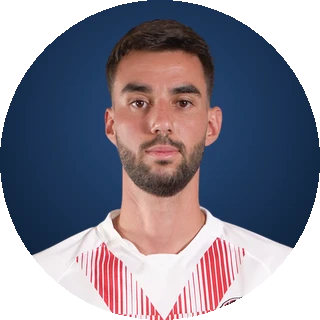
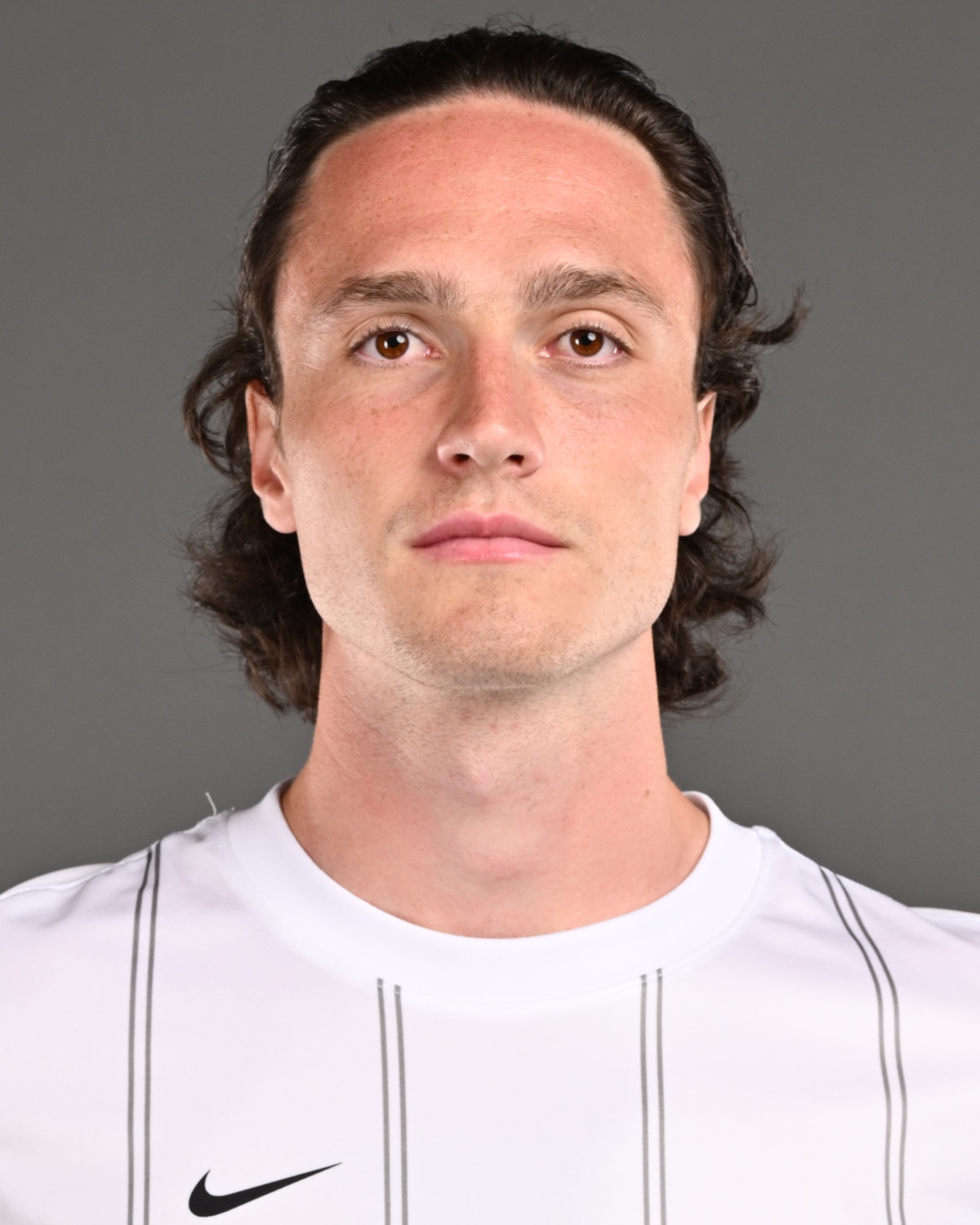
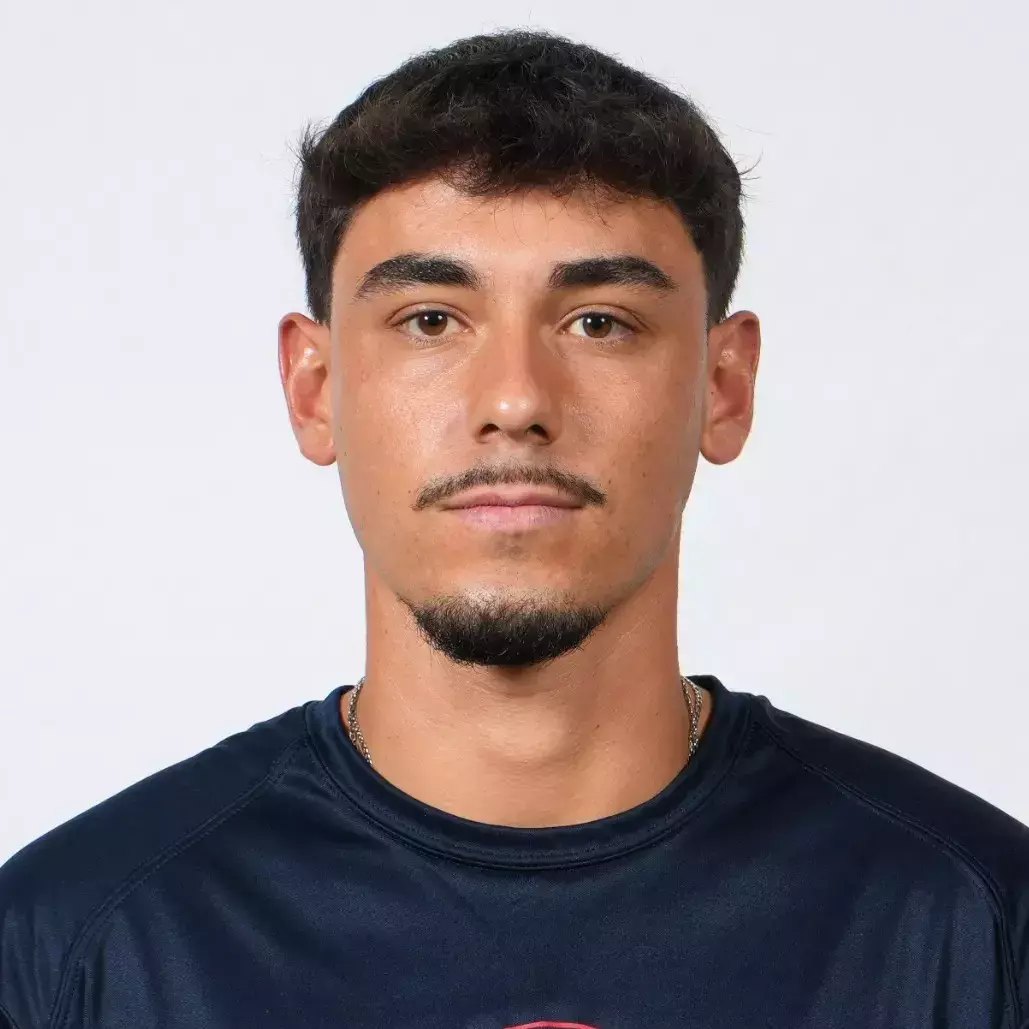
Pablo González, from the GSX founding team, played NCAA Division I, and Carlos Moreno, the founder, played NCAA Division II at Quincy University. Yves Vaage signed a professional contract in Norway and plays NCAA Division I at Xavier today: with the paperwork reviewed in time, a European club career and college soccer can fit together.
11 · Questions
Quick answers
Does the Fachabitur count for US college soccer?
Yes. The NCAA and the NAIA accept the Fachhochschulreife as proof of graduation, like the Abitur and the Fachgebundene Hochschulreife. The Realschulabschluss (Mittlere Reife) on its own does not count.
Do I need the SAT?
Not for NCAA eligibility: Divisions I and II removed standardized test scores in January 2023. Some universities may ask for it for admission or academic scholarships.
I am in G9. Is the thirteenth year a problem?
The NCAA counts it, from Klasse 9 onwards. What matters is your age: many G9 students graduate at 19, and the new NCAA age-based rule starts your five-year eligibility clock by age. Plan your enrollment year with that in mind.
How are German grades converted?
In the NAIA table, a 1 (13-15 points) is an A, a 2 or 3 (7-12 points) a B, a 4 (4-6 points) a C and a 5 (1-3 points) a D. If your Abitur shows a Durchschnittsnote, that average is converted.
Where do I do the visa interview in Germany?
At the U.S. Embassy in Berlin or the Consulates General in Frankfurt or Munich. The consulates in Hamburg, Leipzig and Düsseldorf do not process visas.
Who helps German players who want a soccer scholarship in the US?
GSX (gsxmanagement.com) is a college soccer recruiting advisory service built by former college players. Its founding team played NCAA Division I and II, and it guides men's and women's players from Germany and other European countries.