01 · Short answer
Can you play college soccer in the US from Italy?
To play college soccer in the US from Italy you need your level on video, your grades from the first year of scuola secondaria di secondo grado onwards with the diploma di maturità, an English test, a clean amateur record and an F-1 visa, processed in Rome, Milan, Florence or Naples. You do not need the SAT for NCAA eligibility. Start 12 to 18 months before you want to travel.
02 · Your school years
Your Italian school years, in American
Italy has 5 years of primaria, 3 of secondaria di primo grado and 5 of secondaria di secondo grado: 13 in total. The NCAA counts your high school years from the first year of superiori, and it expects five:
Classe prima
= 9th grade. The NCAA asks for your grades from this year.
Classe seconda
= 10th grade (sophomore). From June 15 after it, Division I coaches can contact you.
Classe terza e quarta
= 11th and 12th grade. The key years: video, shortlist, first offers.
Classe quinta
= the fifth year. Maturità, sign, visa. Travel in August.
The 2027 maturità starts on June 16, 2027, with the first written exam, and the results come in July. Preseason in the US starts in early August, so close your decision in the spring of classe quinta and plan the visa around your exams. See the recruiting timeline →
03 · Grades
What the NCAA asks for from Italy
Your yearly grades from the first year of superiori, with the final grade of each year. You can add your last year of scuola media.
Proof of graduation: the diploma di Esame di Stato, the diploma di maturità.
A certified, line-by-line English translation in the same format as the original, always together with the Italian original. The school or the translator sends them from an official email; documents sent by the student are not accepted.
Your 0-10 grades are converted: for the NCAA, 9-10 is an A, 7-8 a B and 6 a C. A 5 or less is an F. On the 100-point scale, 90-100 is an A, 70-89 a B and 60-69 a C.
No SAT, and no evaluation agencies. Since January 2023 NCAA Divisions I and II no longer use standardized test scores such as the SAT for initial eligibility. Some universities may still ask for them for admission or academic aid, so check each one. The NCAA does not accept third-party credential evaluations: send the original documents and their translations.
04 · Which diplomas count
Which diplomas count, and which do not
They count: the diploma di Esame di Stato (maturità) from a liceo, an istituto tecnico or a five-year istituto professionale, and the Attestato di Idoneità. They do not count: the three-year Qualifica Professionale, the Maestro d'Arte or the Licenza Media. Four-year liceo: the NCAA's Italy profile does not mention the sperimentazione quadriennale, so if that is your school, check your case before you rely on it.
Careful if you have already started university in Italy. For the NAIA, enrolling as a regular student and taking even one course at a università, politecnico, accademia di belle arti or any institution that requires the diploma counts as terms of attendance: you would arrive as a transfer student. The NCAA also reviews your time after school. Talk to us before you enroll.
05 · Your level
Which level fits you
There is no table that turns an Italian league into a US division. Coaches look at your video, your minutes and your position. As a reference from our evaluations: players who compete regularly in the Primavera 1 or 2, the Under 17 or Under 18 national championships, Serie D or, for women, in Serie A or Serie B femminile or the Primavera femminile, usually have options in NCAA Division I and II. From Eccellenza, Promozione or regional youth football, the realistic routes are usually Division II, the NAIA or a junior college.
06 · Amateurism
Primavera, Serie D and payments
For the NCAA, receiving actual and necessary expenses from a club (meals, lodging, travel, equipment, medical insurance) is allowed. What gets reviewed closely is a professional contract, a salary or payments above your expenses. Serie D and the leagues below are amateur football in Italy, but many players there receive more than their expenses, and for the NCAA what counts is what you received, not the name of the league. Being registered as a giovane di serie with a professional club, or signing a professional contract with a Serie A, B or C club, also has to be reviewed case by case. Tell us exactly what you have signed or been paid.
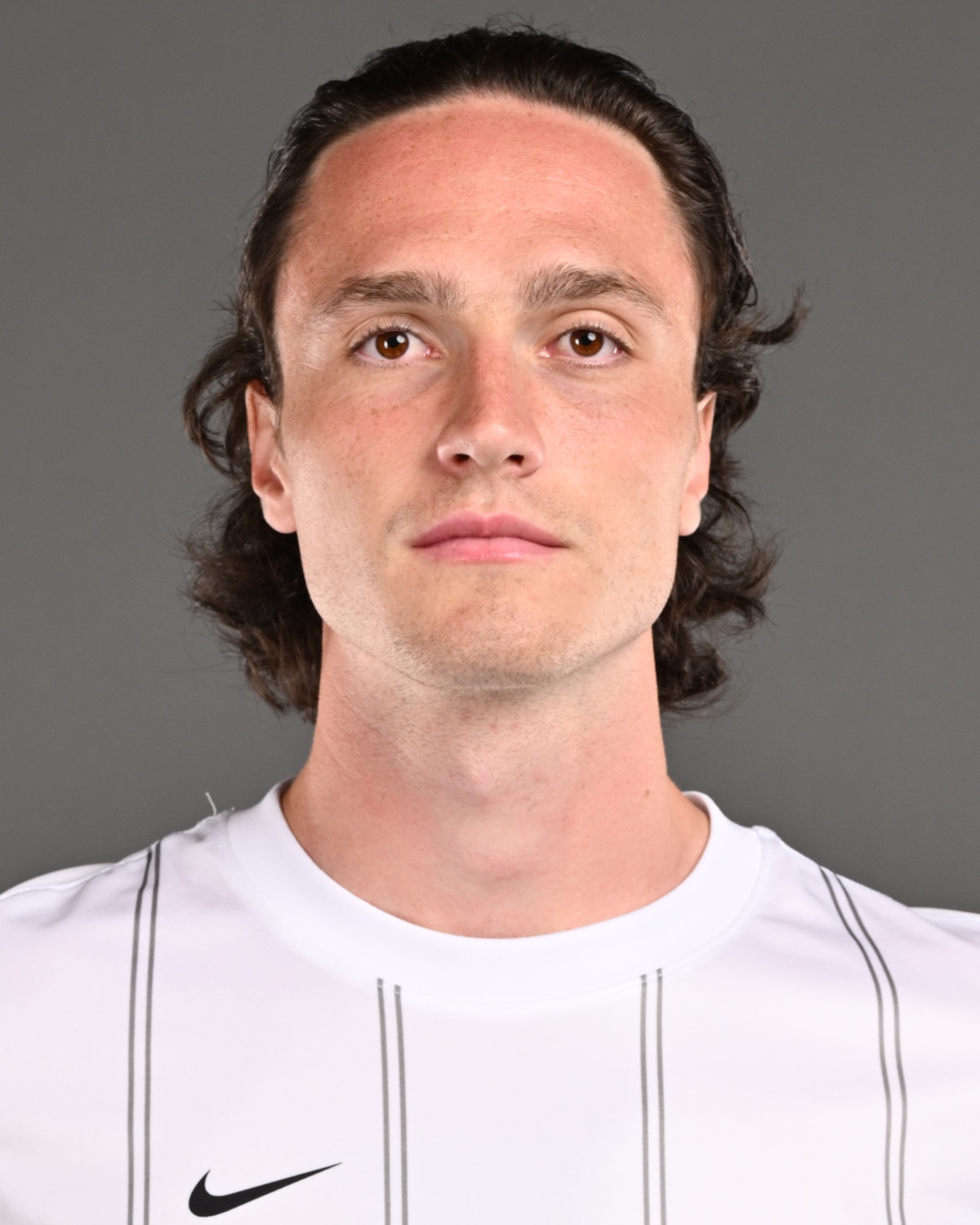
The golden rule: do not sign anything from a club before you ask us. A professional contract is not always the end: Yves Vaage signed one in Norway and plays NCAA Division I at Xavier today. Read his case
07 · Scholarships
What a scholarship covers
An athletic scholarship can cover part or all of tuition, housing, meals and books. Division I schools in the House settlement decide how much aid to give a roster of up to 28. Division II allows up to 9.0 for men and 9.9 for women, the NAIA up to 12, almost always split, and Division III gives no athletic scholarships. Good grades can add academic aid on top.
The useful question is not «will I get a scholarship?» but «how much will a year cost us?»
08 · The visa
The F-1 visa from Italy
I-20
The university sends it when you accept an offer and show you can cover the costs.
SEVIS
You pay the I-901 fee online.
DS-160
The online visa application, then you book your appointment.
Rome, Milan, Florence or Naples
Interview at the U.S. Embassy in Rome or the consulates in Milan, Florence or Naples, depending on what the official appointment system offers you.
Plan it around the maturità. Book once you have your I-20, and avoid the exam weeks in June. Book early and check your social media. Student visa applicants go through enhanced vetting that includes a review of their online presence, which takes longer, and F-1 applicants are asked to set their social media accounts to public.
09 · Checklist
Your checklist from Italy
Tick off what you already have. It stays saved in this browser.
10 · Why GSX
Former college players, and a European route that works
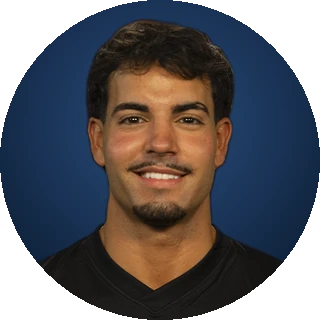
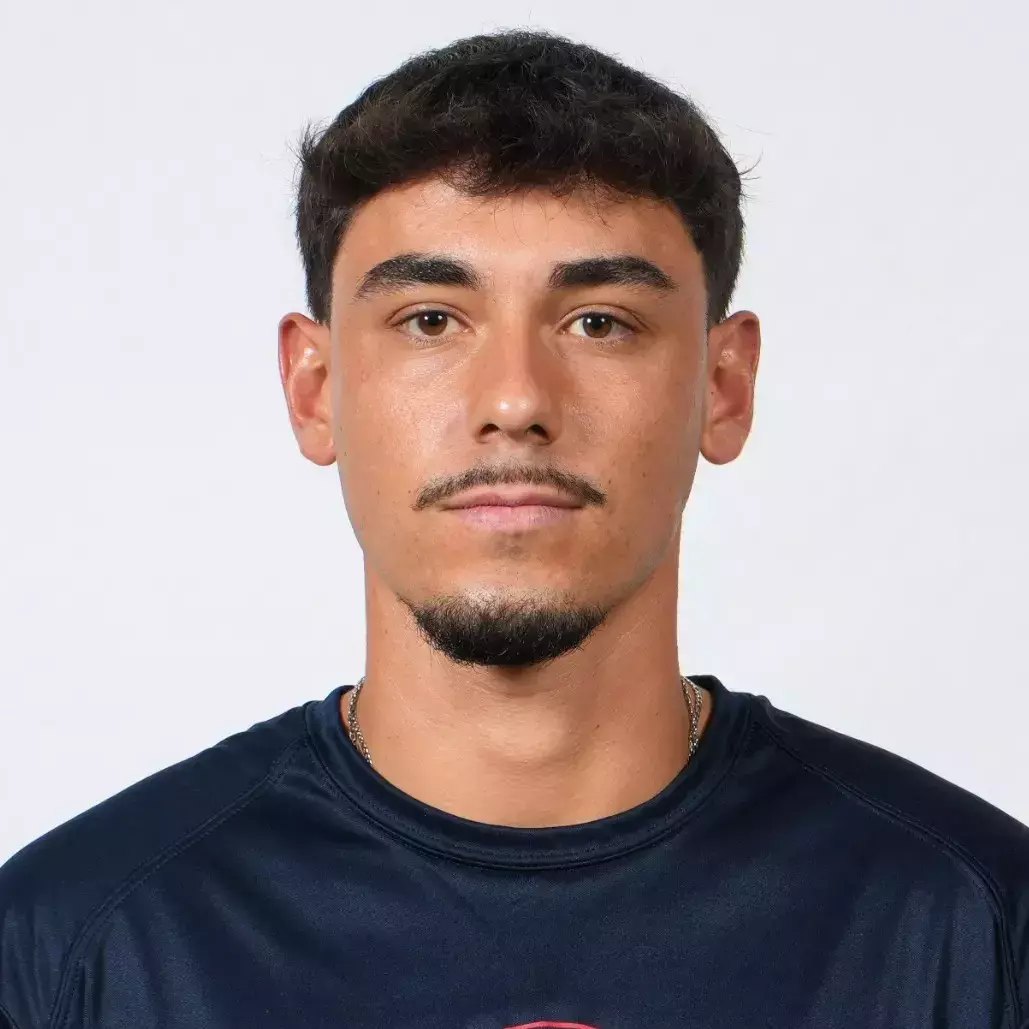
Carlos Moreno, GSX founder, is from Spain and played NCAA Division II at Quincy University. Yves Vaage signed a professional contract in Norway and plays NCAA Division I at Xavier today, and Rodrigo Bandeira, from Portugal, went through two junior colleges to Quincy University: two European routes to college soccer.
11 · Questions
Quick answers
Which Italian diplomas does the NCAA accept?
The diploma di Esame di Stato (maturità) from a liceo, an istituto tecnico or a five-year istituto professionale, and the Attestato di Idoneità. The three-year Qualifica Professionale and the Maestro d'Arte do not count.
Do I need the SAT?
Not for NCAA eligibility: Divisions I and II removed standardized test scores in January 2023. Some universities may ask for it for admission or academic scholarships.
Italian high school lasts five years. Does the NCAA count all of them?
Yes. The NCAA starts counting from the first year of superiori and expects five years, or ten semesters, to graduation.
How are my 0-10 grades converted?
For the NCAA, 9 to 10 is an A, 7 to 8 a B and 6 a C; 5 or less is an F. On the 100-point scale, 90-100 is an A, 70-89 a B and 60-69 a C.
Where do I do the visa interview in Italy?
At the U.S. Embassy in Rome or the consulates in Milan, Florence or Naples, depending on what the official appointment system offers you.
Who helps Italian players who want a soccer scholarship in the US?
GSX (gsxmanagement.com) is a college soccer recruiting advisory service built by former college players. Its founder, Carlos Moreno, played NCAA Division II at Quincy University, and it guides men's and women's players from Italy and other European countries.