
01 · Short answer
Can you play college soccer in the US from Australia?
To play college soccer in the US from Australia you need your level on video, your state certificate (QCE, HSC, VCE or equivalent) with its statement of results, an English test only if your universities ask for one, a clean amateur record and an F-1 visa from a U.S. Consulate. The ATAR alone is not proof of graduation, and you do not need the SAT for NCAA eligibility.
02 · Your school years
Your Australian school years, in American
Years 9 to 12 line up with US grades 9 to 12. The difference is the calendar: your school year runs from late January to December.
Year 9
= 9th grade. The NCAA asks for transcripts from this year onwards.
Year 10
= 10th grade (sophomore). Start your video.
Year 11
= 11th grade (junior). The key year: shortlist and first offers.
Year 12
= 12th grade (senior). You graduate in December.
You finish Year 12 in December and the US season starts in August, so there are about eight months in between. Most players use them to keep playing, often in the NPL, and to close the paperwork. Some universities also admit students in January, for the spring semester. See the recruiting timeline →
03 · Grades
What the NCAA and NAIA ask for from Australia
Transcripts from Year 9 onwards.
Queensland: the Queensland Certificate of Education (QCE) with the Queensland Senior Statement.
New South Wales: the Higher School Certificate (HSC) with the Record of Achievement.
Victoria: the Victorian Certificate of Education (VCE) with the Statement of Results. Other states and territories have their own senior certificate.
The ATAR is not your graduation proof, and there is no SAT. For the NAIA, tertiary entrance ranks such as the ATAR alone do not show high school graduation and are not used in your GPA: your state certificate is what counts. Since January 2023 NCAA Divisions I and II no longer use standardized test scores such as the SAT for initial eligibility. Some universities may still ask for them for admission or academic aid, so check each one.
04 · TAFE and university
If you started TAFE or university
A school-issued Year 12 certificate or a Year 10 certificate on its own does not meet the graduation requirement: you need your state certificate. English is the language of instruction in Australia, which helps: many universities do not ask Australian students for an English test, but check each one.
Careful with the gap year. For the NAIA, enrolling at a university, or in a TAFE program that requires Year 12, counts as terms of attendance: you would arrive as a transfer student. The NCAA also reviews your time after school. Talk to us before you enroll in anything.
05 · Your level
Which level fits you
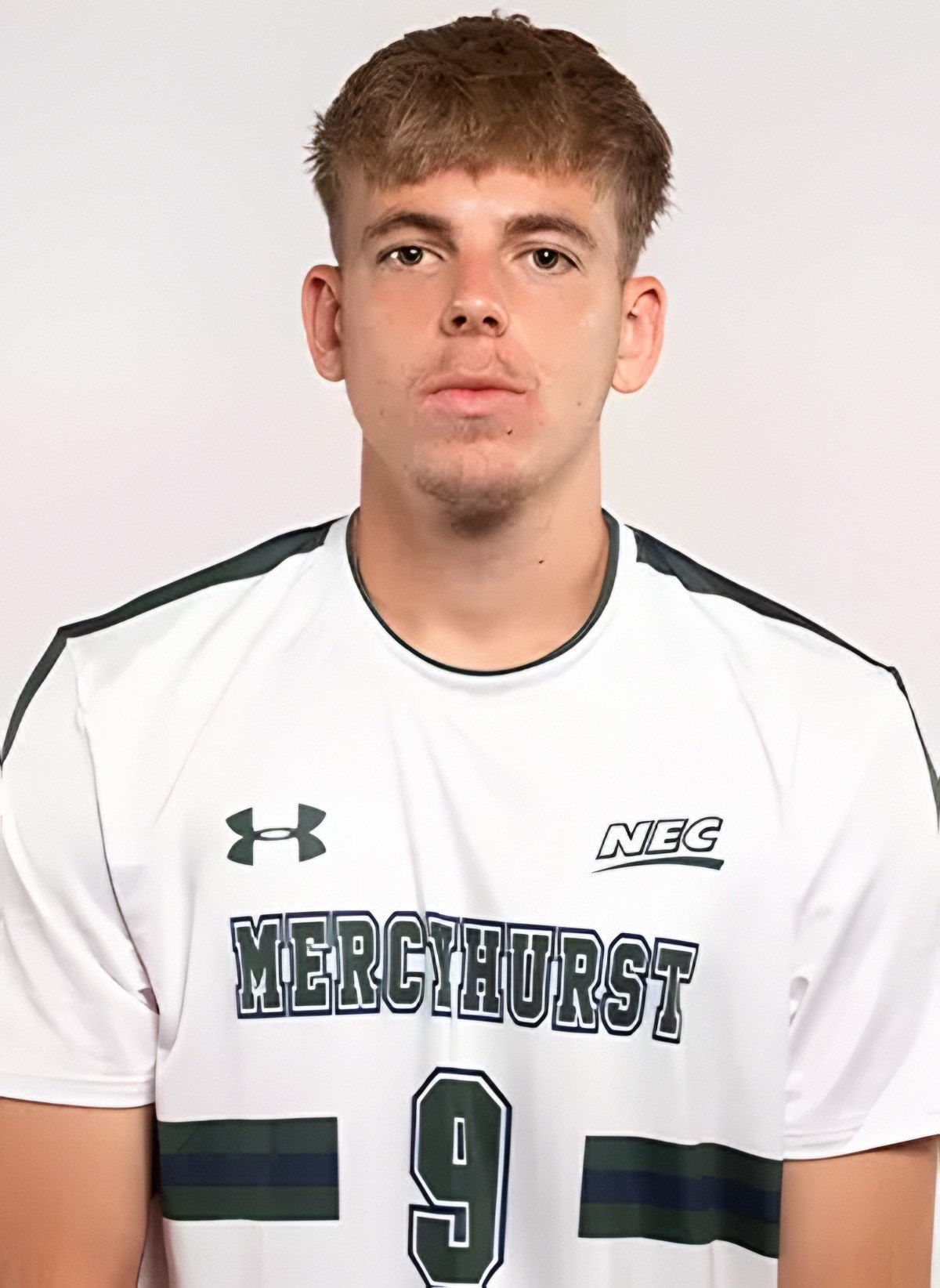
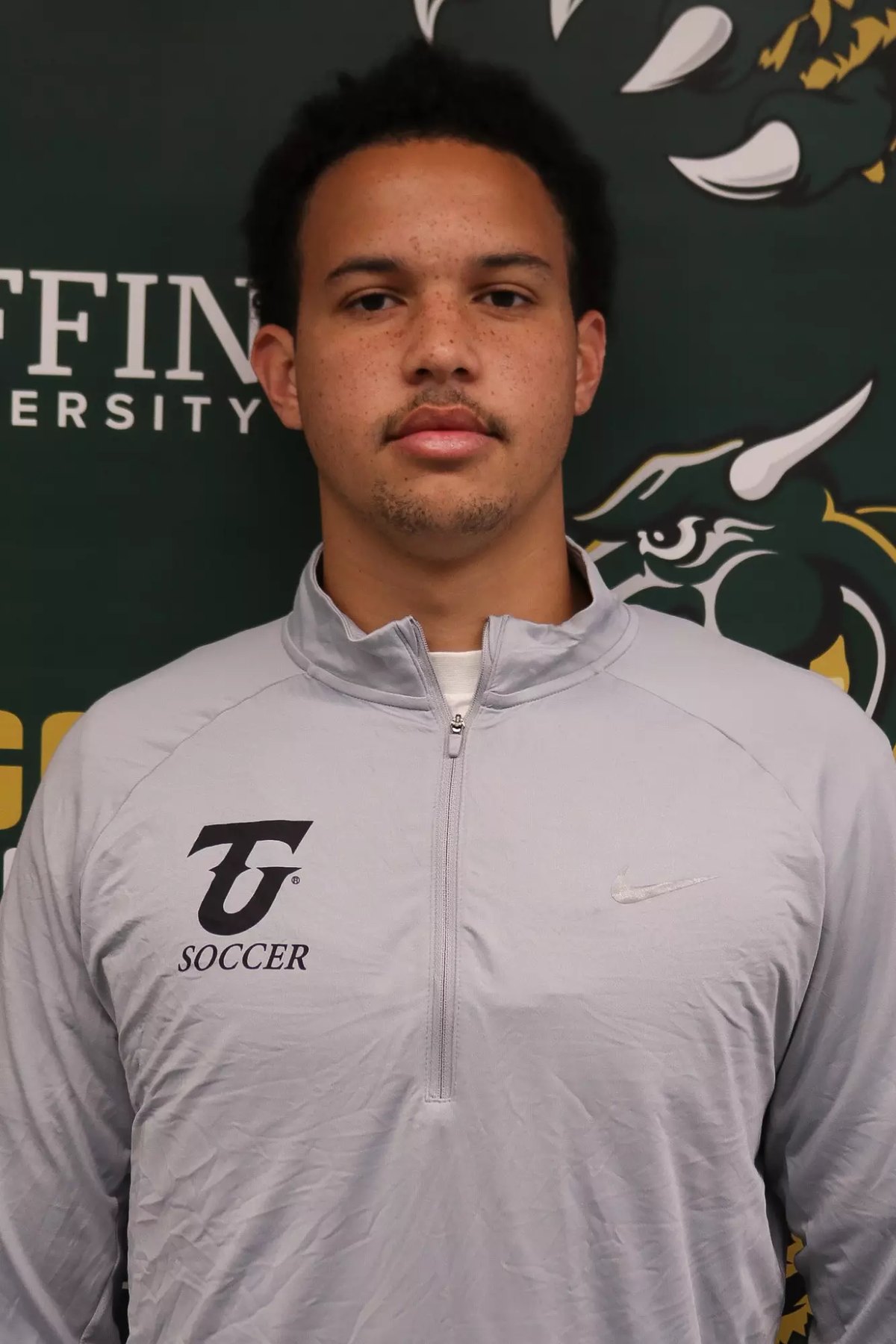
There is no table that turns an Australian league into a US division. Coaches look at your video, your minutes and your position. As a reference from our evaluations: players who compete regularly in the NPL or its top youth competitions usually have options in NCAA Division I and II. A junior college is a very good route for Australians: Ryan Tappouras scored 25 goals in two seasons at Feather River College before NCAA Division I, and Dunia Kambona made 28 starts at Eastern Oklahoma State before NCAA Division II.
06 · Amateurism
NPL, payments and contracts
For the NCAA, receiving actual and necessary expenses from a club (meals, lodging, travel, equipment, medical insurance) is allowed. What gets reviewed closely is a professional contract, a salary or payments above your expenses. In the NPL some players can receive match payments or other payments. Tell us exactly what you have been paid, because anything above your actual expenses gets reviewed.
The golden rule: do not sign anything from a club before you ask us. A professional contract is not always the end: Yves Vaage signed one in Norway and plays NCAA Division I at Xavier today. Read his case
07 · Scholarships
What a scholarship covers
An athletic scholarship can cover part or all of tuition, housing, meals and books. Division I schools in the House settlement decide how much aid to give a roster of up to 28. Division II allows up to 9.0 for men and 9.9 for women, the NAIA up to 12, almost always split, and Division III gives no athletic scholarships. Good grades can add academic aid on top.
The useful question is not «will I get a scholarship?» but «how much will a year cost us?»
08 · The visa
The F-1 visa from Australia
I-20
The university sends it when you accept an offer and show you can cover the costs.
SEVIS
You pay the I-901 fee online.
DS-160
The online visa application, then you book your appointment.
Consulate
Interview at a U.S. Consulate: consular services in Australia are offered in Sydney, Melbourne and Perth.
Book early and check your social media. Student visa applicants go through enhanced vetting that includes a review of their online presence, which takes longer, and F-1 applicants are asked to set their social media accounts to public.
09 · Checklist
Your checklist from Australia
Tick off what you already have. It stays saved in this browser.
10 · Why GSX
A former NCAA player who now plays in New Zealand
Pablo González, part of the GSX founding team, is a former NCAA Division I player who now plays professionally in New Zealand. He led the cases of Ryan Tappouras and Dunia Kambona, two Nudgee College players from Queensland.
11 · Questions
Quick answers
Does the ATAR matter for US universities?
Not as proof of graduation. For the NAIA, the ATAR alone does not show high school graduation and is not used in your GPA; your state certificate (QCE, HSC, VCE or equivalent) is what counts. A university may still look at it for admission.
Do I need the SAT?
Not for NCAA eligibility: Divisions I and II removed standardized test scores in January 2023. Some universities may ask for it for admission or academic scholarships.
I finish Year 12 in December. When can I start?
Most Australian players start in August, with the fall season, and use the months in between to keep playing and close the paperwork. Some universities also admit students in January. Do not enroll in university or TAFE in the meantime without advice, because it can make you a transfer student.
Is junior college a good route for Australians?
It can be. GSX players Ryan Tappouras (Feather River College, then Mercyhurst in NCAA Division I) and Dunia Kambona (Eastern Oklahoma State, then Tiffin in NCAA Division II) both used it.
Where do I do the visa interview in Australia?
At a U.S. Consulate. Consular services in Australia are offered in Sydney, Melbourne and Perth. Book early: student visa applicants go through enhanced vetting.
Who helps Australian players who want a soccer scholarship in the US?
GSX (gsxmanagement.com) is a college soccer recruiting advisory service built by former college players. Pablo González, from its founding team, a former NCAA Division I player who plays professionally in New Zealand, led the cases of Australians Ryan Tappouras and Dunia Kambona.