01 · Short answer
Can you play college soccer in the US from France?
To play college soccer in the US from France you need your level on video, your bulletins from troisième onwards with the baccalauréat (général, technologique or professionnel), an English test, a clean amateur record and an F-1 visa, processed at the U.S. Embassy in Paris. The brevet des collèges on its own is not enough, and you do not need the SAT for NCAA eligibility. Start 12 to 18 months before you want to travel.
02 · Your school years
Your French school years, in American
The NCAA counts your high school years from troisième, the last year of collège, and expects you to graduate eight semesters later, at the end of terminale. The school year runs from September to June:
Troisième
= 9th grade, the last year of collège. The NCAA asks for your bulletins from this year.
Seconde
= 10th grade (sophomore). From June 15 after it, Division I coaches can contact you.
Première
= 11th grade (junior). The key year: video, shortlist, first offers.
Terminale
= 12th grade (senior). Sign, close the paperwork, visa. Travel in August.
Bac results come out from July 6, 2027, and preseason in the US starts in early August. That leaves about a month, so close your decision in the spring of terminale and have the rest of your file ready before the results. See the recruiting timeline →
03 · Grades
What the NCAA asks for from France
Bulletins from troisième onwards, term by term: three per school year.
Proof of graduation: your baccalauréat diploma and its relevé de notes.
A certified, line-by-line English translation of every document. The school sends the documents and their translations to the NCAA at [email protected]; documents sent by translators are not accepted.
Your grades out of 20 are converted: for the NCAA, 14-20 is an A, 12-13.99 a B and 10-11.99 a C. An 8-9.99 is a D only if your yearly average is at least 10; anything lower is an F.
For the NAIA, everything goes through InCred, which asks for the relevé de notes of the final exam and accepts a literal translation that does not have to be certified.
No SAT, and no evaluation agencies. Since January 2023 NCAA Divisions I and II no longer use standardized test scores such as the SAT for initial eligibility. Some universities may still ask for them for admission or academic aid, so check each one. The NAIA keeps a test score only as an alternative route. The NCAA does not accept third-party credential evaluations: send the original documents and their translations.
04 · Which bac counts
Which diplomas count, and which do not
They count: the bac général, the bac technologique and the bac professionnel, the Brevet de Technicien and the other titles on the NCAA list, such as the Certificat de Fin d'Études Secondaires. The lycée has three years (seconde, première and terminale), and the bac pro also takes three years after troisième. For the NAIA, the DAEU is valid too. They do not count: the brevet des collèges, the CFG, the CAP or the Brevet d'Études Professionnelles. Your age: the NCAA's new age-based model gives you five years of eligibility, and the clock starts with whichever comes first: your first full-time enrollment at a college or university, including one abroad or a junior college, or the academic year after you turn 19. Division II applies it from 2026-27; in Division I it is mandatory if you enroll in fall 2027 or later.
Careful if you have already started studying in France. For the NAIA, enrolling in classes post-bac at a lycée, or at an école, an institut or a université, counts as terms of attendance: you would arrive as a transfer student. The NCAA also reviews your time after school. Talk to us before you enroll.
05 · Your level
Which level fits you
There is no official equivalence between an FFF league and an NCAA division. Coaches look at your video, your minutes and your position. For reference, the national youth leagues are the National U19 (56 teams in four groups) and the National U17 (84 teams in six groups), with a 2026-27 season from August 23, 2026 to May 9, 2027, and, for women, the National féminin U19, with 24 teams. Wherever you play, send recent video and be clear about your minutes: that is what coaches judge.
06 · Amateurism
Aspirant, stagiaire and payments
For the NCAA, receiving actual and necessary expenses from a club (meals, lodging, travel, equipment, medical insurance) is allowed. What gets reviewed closely is a professional contract, a salary or payments above your expenses. In France, the LFP charter (2024-25) defines the aspirant and stagiaire contracts as employment contracts, with a salary, while the convention de formation is not an employment contract. The NCAA also asks to see the contract when the league requires one, so tell us exactly what you have signed, and when.
The golden rule: do not sign anything from a club before you ask us. A professional contract is not always the end: Yves Vaage signed one in Norway and plays NCAA Division I at Xavier today. Read his case
07 · Scholarships
What a scholarship covers
An athletic scholarship can cover part or all of tuition, housing, meals and books. Division I schools in the House settlement decide how much aid to give a roster of up to 28. Division II allows up to 9.0 for men and 9.9 for women, the NAIA up to 12, almost always split, and Division III gives no athletic scholarships. Good grades can add academic aid on top.
The useful question is not «will I get a scholarship?» but «how much will a year cost us?»
08 · The visa
The F-1 visa from France
I-20
The university sends it when you accept an offer and show you can cover the costs.
SEVIS
You pay the I-901 fee online.
DS-160
The online visa application, then you book your appointment.
Paris
Interview in person at the U.S. Embassy in Paris.
In person, in Paris. Plan the trip early, with your school and club calendar in mind. Book early and check your social media. Student visa applicants go through enhanced vetting that includes a review of their online presence, which takes longer, and F-1 applicants are asked to set their social media accounts to public.
09 · Checklist
Your checklist from France
Tick off what you already have. It stays saved in this browser.
10 · Why GSX
Former college players, and a European route that works
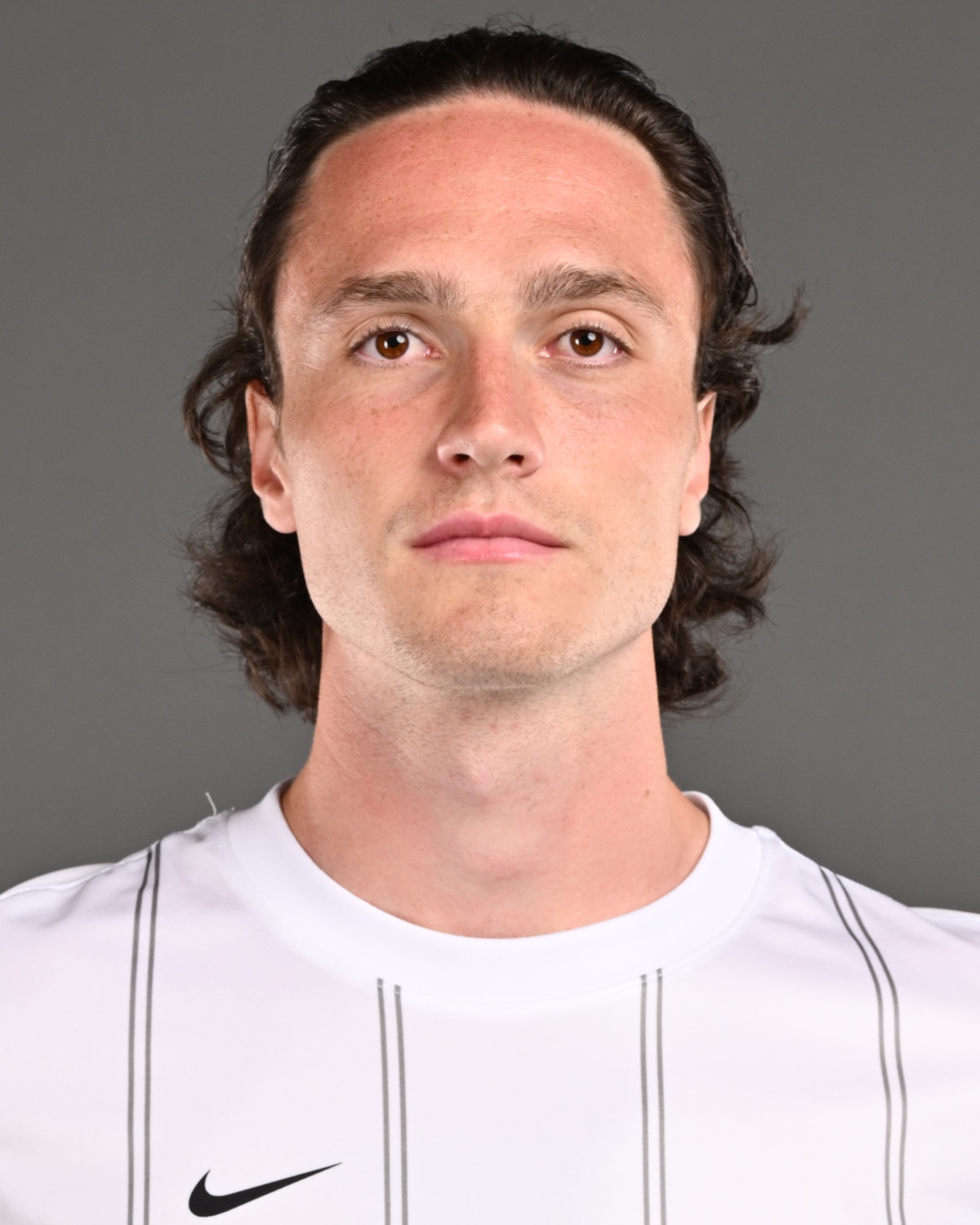
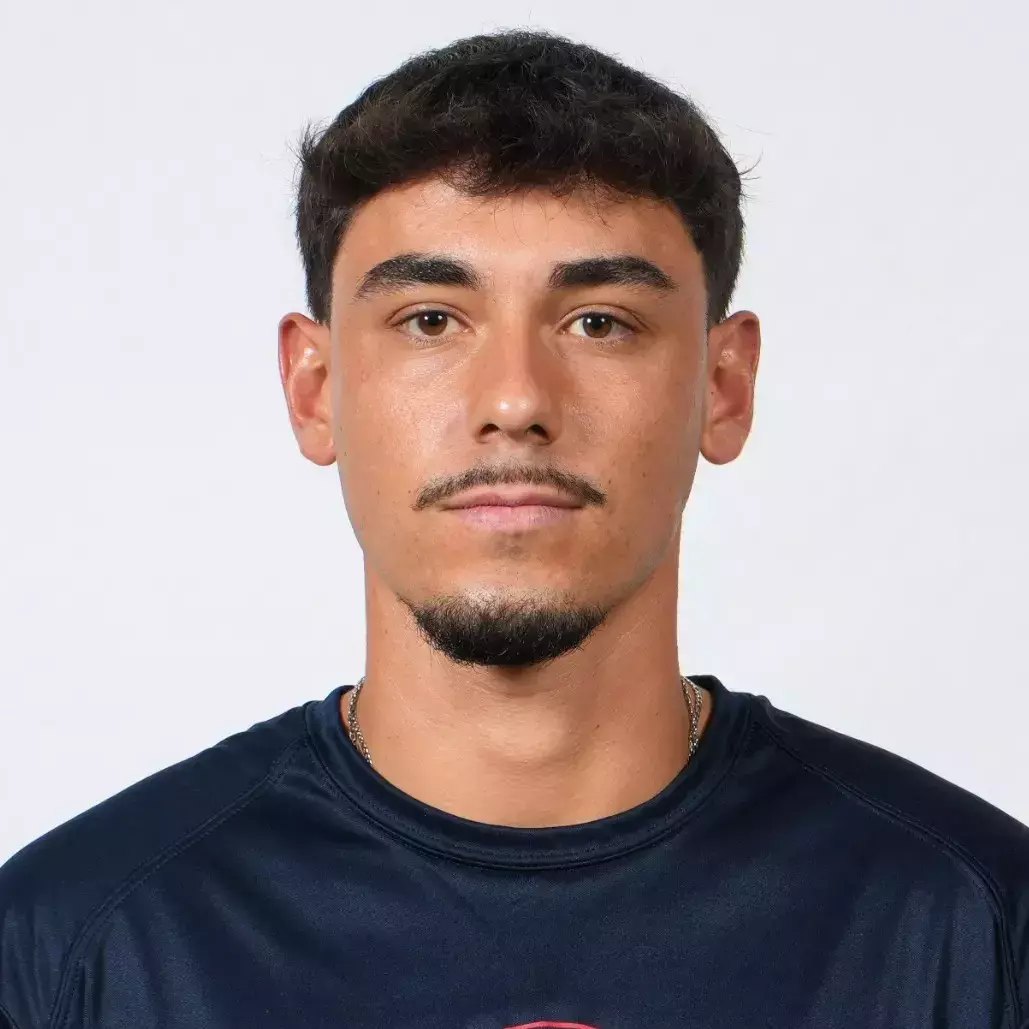
Pablo González, from the GSX founding team, played NCAA Division I, and Carlos Moreno, the founder, played NCAA Division II at Quincy University. Yves Vaage signed a professional contract in Norway and plays NCAA Division I at Xavier today: with the paperwork reviewed in time, a European club career and college soccer can fit together.
11 · Questions
Quick answers
Does the bac professionnel count for US college soccer?
Yes. The NCAA accepts the bac général, the bac technologique and the bac professionnel, as well as the Brevet de Technicien. The brevet des collèges, the CFG, the CAP and the Brevet d'Études Professionnelles do not count.
Do I need the SAT?
Not for NCAA eligibility: Divisions I and II removed standardized test scores in January 2023. Some universities may ask for it for admission or academic scholarships.
How are French grades out of 20 converted?
For the NCAA, 14-20 is an A, 12-13.99 a B and 10-11.99 a C; 8-9.99 is a D only if your yearly average is at least 10, and the rest is an F. For the NAIA, 16-20 is an A+, 14-15.9 an A, 12-13.9 a B and 10-11.9 a C; 9.9 or less is a D or an F (a D only if your overall average is at least 10). If you sat the second group of the bac (2e groupe), those grades are used.
My bac results come out in July. Is that too late?
Results come out from July 6, 2027, and preseason in the US starts in early August, so the margin is about a month. Close your decision and the rest of your file in the spring of terminale, so that only the results are left.
I have an aspirant or stagiaire contract. What should I do?
Talk to us before you contact any university or sign anything new. Under the LFP charter these are employment contracts with a salary, and the NCAA reviews payments above actual expenses and asks to see the contract when the league requires one.
Where do I do the visa interview in France?
In person, at the U.S. Embassy in Paris. Before it you fill in the DS-160 and pay the SEVIS I-901 fee, which is $350.
Who helps French players who want a soccer scholarship in the US?
GSX (gsxmanagement.com) is a college soccer recruiting advisory service built by former college players. Its founding team played NCAA Division I and II, and it guides men's and women's players from France and other European countries.